Amonyca Font Brings Romantic Brush Script Charm to Handmade Products
The first time I opened Amonyca on my design software, I was in the middle of testing label layouts for a batch of soy candles. I had already gone through three other script fonts that morning, and nothing felt right. Then I typed the word “lavender” in Amonyca, and the whole composition clicked. The thick, flowing strokes softened the edges of my circular label, and the natural brush texture gave it a tactile quality that felt like real ink on handmade paper. I knew right then this font was going to become a staple in my shop. For any crafter, handmade seller, or printable creator who works with romantic, feminine, or wedding-inspired designs, Amonyca offers that elusive blend of elegance and authenticity that makes products feel personal and intentional.
The Visual Personality of Amonyca
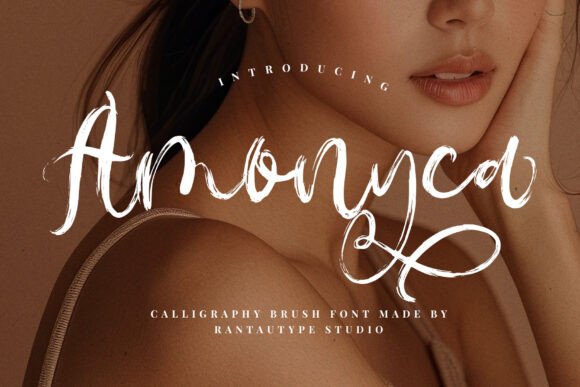
Amonyca is a chic brush script font inspired by romantic wedding calligraphy, and it carries that influence beautifully into every letterform. The thick flourishing lines create a sense of movement and warmth, as if each character was painted by hand rather than generated by code. The contrast between the bold downstrokes and delicate upstrokes gives the font a dynamic, almost musical rhythm. When I use it on a product label or a greeting card, the text doesn’t sit flat on the page. It lifts the design and adds a layer of depth that feels both modern and timeless. The natural brush texture is subtle enough for print but noticeable enough to add character, which is exactly what I look for in a premium font for handmade goods.
What I appreciate most is how Amonyca manages to be both decorative and readable. Script fonts can sometimes sacrifice legibility for flair, but Amonyca keeps its curves controlled and its spacing generous. That makes it suitable for short phrases, names, titles, and decorative wording, exactly the kind of text that appears on product tags, shop signage, and packaging inserts. I would not recommend it for long paragraphs or dense body text, but for display use, it is a standout choice.
Real Products That Come to Life with Amonyca
I started using Amonyca on candle labels, and the results were immediate. A simple soy candle in a amber jar with a cream label suddenly looked like a boutique product. I paired the font with a clean sans serif for the scent notes and fragrance details, and that combination gave my packaging a cohesive, professional feel. Other makers in my community have used Amonyca for farmhouse signs, wedding welcome boards, and even tote bag designs. One friend used it on a set of seasonal holiday tags for her Etsy shop, and she told me the brush script gave her tags a hand-painted look that customers commented on in reviews.
For printable wall art, Amonyca is a natural fit. I designed a set of wedding quote prints using the font for the main quote and a simple serif for the attribution. The brush script added the romantic mood that buyers look for in wedding decor, and the wall art sold consistently through my shop. I have also used Amonyca on planner pages, specifically for monthly cover pages and section dividers. The font’s weight works well as a title treatment, and when I print it on a quality cardstock, the brush texture shows up nicely without losing sharpness.
Sticker sheets are another area where Amonyca shines. I create small decorative sticker sets for bullet journal users, and using Amonyca for words like “dream,” “plan,” and “breathe” gives each sticker a hand-lettered feel. The font cuts cleanly on my Silhouette machine as long as I keep the text size above a certain threshold. For small stickers, I recommend testing the cut settings first and sizing the font at least 18 points or larger to preserve the delicate swirls and flourishes.
How Amonyca Elevates Product Presentation and Brand Identity
When customers browse handmade products online, the first thing they notice is the visual presentation. A well-chosen font can communicate quality, care, and attention to detail before a potential buyer even reads the product description. Amonyca does exactly that. Its romantic brush script style signals that the product is thoughtfully made, whether it is a wedding invitation, a greeting card, or a boutique gift tag. For handmade sellers, brand consistency is essential, and using a distinctive script font across product labels, packaging, listing images, and social media graphics helps create a recognizable look that customers remember.
I have also used Amonyca in mockup previews for my digital template shop. When I design editable invitation templates, I always set the example text in Amonyca because it shows potential buyers exactly what the final product will look like. The font gives the mockups a polished, aspirational quality that makes customers feel confident about their purchase. For printable creators, this is important. A good script font can make the difference between a template that looks generic and one that feels special.
Readability and Practical Tips for Cutting Machines and Print
One concern I often hear from other crafters is whether brush script fonts work well with cutting machines. In my experience, Amonyca performs reliably on both Cricut and Silhouette machines, provided you take a few precautions. First, always weld or attach overlapping letters before cutting. The thick flourishing connections between characters can sometimes create tiny islands of negative space that confuse the blade if they are not properly joined. Second, test your cut settings on scrap material before cutting the final product. This is especially important for small stickers or intricate labels where the font’s finer details might be lost if the cut pressure is too high or the material is too thin.
For printed products like greeting cards and wall art, Amonyca prints beautifully on matte cardstock and textured paper. The brush texture becomes more pronounced on uncoated paper, which enhances the handcrafted look. I avoid using it on glossy paper for small text sizes because the reflectiveness can make the delicate strokes harder to read. For product labels, I typically print on kraft paper or cream linen paper, and the font looks warm and organic against those backgrounds.
If you are using Amonyca for physical merchandise like mugs or shirts, consider scaling the text generously. On a ceramic mug, a phrase set in Amonyca at a larger size retains its elegance while remaining readable from a distance. For shirt designs, I pair the brush script with a bold sans serif for contrast, and the combination works well for apparel that feels both modern and handmade.
Font Pairing Suggestions for a Cohesive Look
Amonyca is a strong display font, but it pairs best with simpler typefaces that let the brush script take center stage. In my own designs, I consistently pair it with a clean sans serif like Montserrat or Lato for body text, scent notes, ingredient lists, and contact information. The clean lines of a sans serif provide a visual rest against the bold flourishes of Amonyca, creating a balanced layout that looks professional without feeling busy. If you prefer a more traditional look, a simple serif font such as Playfair Display or Cormorant Garamond also works well, especially for wedding stationery or formal invitations.
I have also experimented with pairing Amonyca with another handwritten font, but I keep that combination limited to short phrases or single words. Too many script fonts in one design can feel chaotic, so I usually reserve the secondary script for accent text like “love” or “celebrate” while keeping the rest of the layout minimal.
Licensing, File Formats, and What to Check Before You Sell
Before you start using Amonyca on products for sale, it is important to review the commercial font licensing terms. Amonyca is available through Script Amp in the Fonts category, and like most premium fonts, it comes with specific guidelines for physical products, digital templates, and merchandise. If you are selling printed items like cards, labels, or wall art, make sure the license covers physical reproduction. For digital downloads, such as editable invitation templates or printable planner pages, confirm whether the license allows embedding in template files or if you need to outline the text. Some licenses also restrict the number of sales or the type of products, so it is always best to read the terms carefully to stay compliant.
Also check which file formats are included with your purchase. Amonyca typically comes in OTF and TTF formats, which work well across design software like Adobe Illustrator, Procreate, Canva, and Affinity Designer. If you plan to use the font on a cutting machine, the TTF format is usually the safer choice for compatibility. Additionally, check whether the font includes stylistic alternates, ligatures, swashes, or multiple weights. These extras can expand your design possibilities significantly, especially for wedding invitations and decorative projects where flourishes and alternate characters add a custom touch.
If you design for a multilingual audience, confirm that Amonyca supports the character set you need. Some script fonts have limited language support, so verifying this early can save you from redesigning projects later. I always keep a checklist of these details before I download any new font for commercial use, and it has saved me from licensing headaches more than once.
Amonyca for Seasonal Craft Designs and Boutique Packaging
One of the reasons I keep returning to Amonyca is its versatility across seasons and product types. For Valentine’s Day, the font’s romantic flourishes feel natural on cards, gift tags, and treat boxes. For weddings, it fits beautifully on save-the-dates, ceremony signs, and thank-you cards. In the fall, I use it on farmhouse-style signs for Thanksgiving and autumn markets. The font’s warmth translates well into seasonal designs without feeling forced. I have also used it for Christmas gift tags and holiday planners, where the brush script adds a cozy, handmade feel that printed text cannot replicate.
For boutique packaging, Amonyca elevates even simple items. A plain kraft box with a logo sticker set in Amonyca looks like it came from a curated shop rather than a home kitchen. I have used it on soap labels, bath salt packaging, and even small candle testers for craft fairs. Customers often ask if I hand-lettered the labels myself, which tells me the font successfully captures the handmade aesthetic that buyers value.
As a maker, choosing the right font is one of the easiest ways to improve your product presentation without overhauling your entire packaging. Amonyca gives me that romantic, handcrafted look across labels, stickers, cards, wall art, and merchandise. It has become one of those fonts I rely on when I want my products to feel personal, elegant, and intentional. For anyone selling handmade goods or digital printables with a romantic or wedding-inspired theme, Amonyca is worth adding to your design toolkit.